
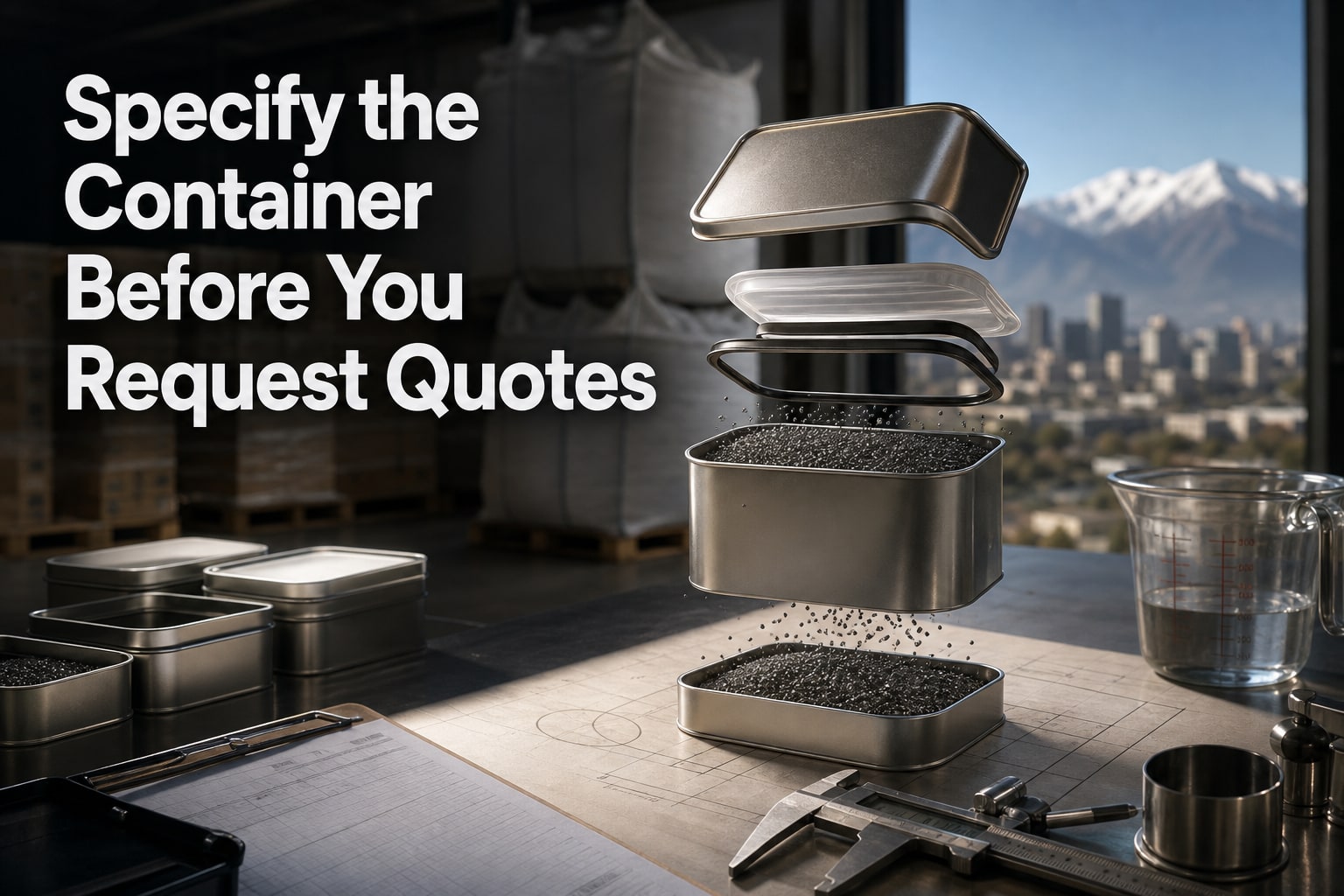
The right container depends on the contents, closure, route, storage conditions and evidence behind the supplier’s claims—not on material or price alone. By the end, you will have a practical specification for comparing local production, imports and alternative packaging before committing to a purchase.
Key takeaways
- Classify the product before choosing tinplate, plastic or another container material.
- Give suppliers product, volume, closure and compatibility details for comparable quotes.
- Confirm UN approval when packaging dangerous goods.
- Test seals, stacking and transport performance before the full production run.
Start with the product, not the container material
A product that leaks, reacts with its liner or breaks on the pallet will cost more than its container. Before comparing metal containers in santiago, classify the use: direct food contact, industrial packaging for non-hazardous solids or liquids, or UN-approved packaging for dangerous goods.
UN approval depends on the design, closure, tests and declared packing group—not simply on using steel or tinplate.
| Material | Strengths | Choose it when |
|---|---|---|
| Tinplate | Strong barrier, printable surface, recyclable steel stream; can corrode if moisture is trapped | You need rigid branding, stackability and moderate cost for dry goods, oils or compatible liquids |
| Aluminium | Lightweight, corrosion-resistant and easily formed; higher material cost | Weight reduction matters or the contents attack steel |
| Plastic | Low weight, impact resistance and low tooling cost; weaker barrier and recycling depends on resin and format | Handling is rough, the product is non-reactive and low-cost distribution matters |
| Steel | High mechanical strength and useful for larger industrial formats; heavier than aluminium | Pallet loads, rough handling or large-volume industrial storage dominate |
| Glass | Excellent product visibility and chemical stability; breakage and transport weight raise cost | Product presentation or inertness outweighs breakage risk |
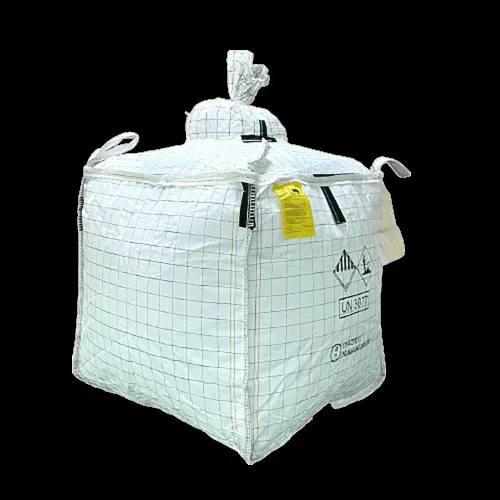
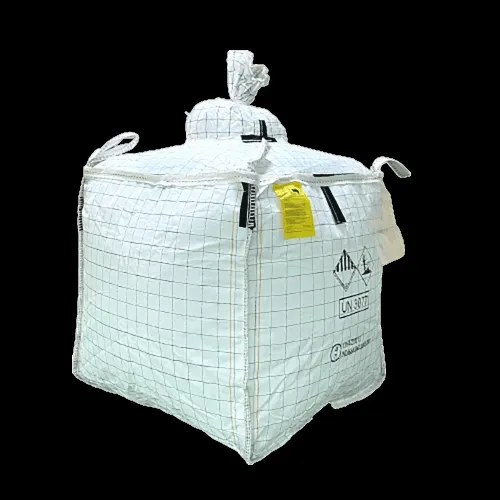
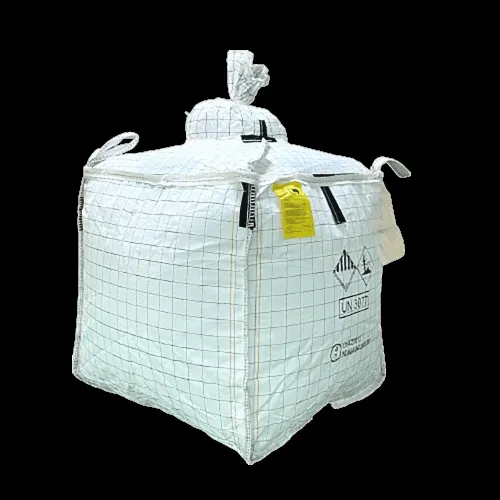
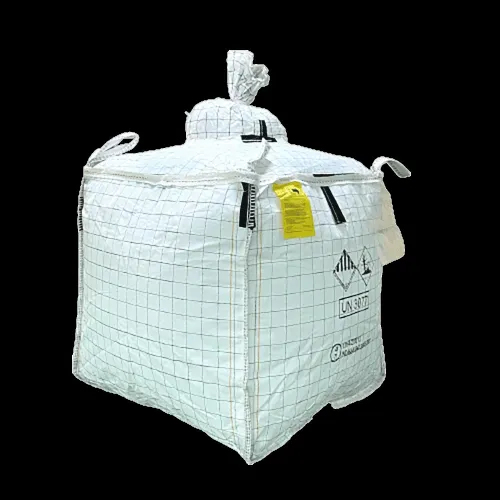
| Flexible packaging | Lowest transport volume and material use; needs outer protection and offers less puncture resistance | The product suits pouches, liners or FIBC and warehouse handling is controlled |
Check the fill method, density, dispensing outlet, headspace, pallet pattern and storage space before selecting a nominal volume. For Chile, record steel, aluminium, plastic and mixed components separately, including liners, unlike-material lids and coatings, because Ley 20.920 makes recyclability and first-market obligations relevant.
For a supplier quote, request samples and run the real product before approving a pilot lot; the cheapest format is worthless if the closure fails on your filling line.
Build a tinplate specification that suppliers can quote accurately
A supplier cannot quote accurately from “tinplate container, 1 litre.” That description leaves steel strength, coating, closure, tolerances and chemical compatibility undefined.
Send every supplier the same specification and request:
1. Nominal capacity, usable fill volume, internal dimensions, external dimensions and tolerances. State the product density, fill weight, required headspace and whether the container must fit a defined pallet pattern.
2. Steel base grade, thickness in millimetres, temper, tin-coating mass on each face and surface finish. Ask the supplier to identify the applicable requirements under ASTM A623/A623M rather than accepting “standard tinplate.”
3. Body construction: welded or soldered side seam, bottom attachment, flange dimensions and allowable leakage rate. Request drawings showing every critical measurement.
4. Closure type, lid diameter, opening size, thread or friction fit, gasket or liner material, torque or closing force, and the filling and dispensing equipment it must suit. Specify whether the lid needs tamper evidence.
5. Internal lacquer or varnish name, coating weight, application method and curing conditions. Provide the product’s ingredients, pH, solvents, oils and storage temperature so the supplier can assess compatibility.
6. External finish, colour, print coverage, label area and corrosion protection. Define acceptable dents, scratches, pinholes and coating defects.
7. Required certification and use category: direct food contact, industrial contents, or UN-approved dangerous-goods packaging. For UN packaging, state the substance, packing group and required test documentation.
8. Set sample approval, pilot-lot quantity, sampling method, tolerances and rejection criteria before production. Freeze the approved drawing and coating specification.
Match volume, closure and compatibility to the real product
Calculate usable fill volume from product density, required headspace and the dispensing method—not from the container’s advertised nominal capacity. A powder that bridges at the opening, or a liquid that expands during Santiago’s temperature swings, needs different dimensions and clearance.
Check the container against the complete handling path:
1. Request a dimensioned drawing showing body diameter, height, opening, seam, lid and tolerances. Test the filled container on your filling line, then confirm pallet pattern, shelf clearance and lifting space.
2. Provide the supplier with the product’s composition, concentration, temperature, storage time and cleaning process. Test the specified internal lacquer with the real product; inspect for swelling, blistering, pinholes, delamination, colour change and odour transfer.
3. Test the closure after filling, capping and transport simulation. Measure application torque, opening force and leak rate, then repeat after inversion, stacking and temperature cycling.
4. Approve engineering samples before ordering a pilot lot. Freeze the approved steel grade, thickness, coating, lacquer, closure, liner, dimensions, tolerances, sampling method and rejection criteria in the purchase specification.
A screw cap, friction lid and seamed closure do not provide the same seal or dispensing experience. If the contents are dangerous goods, require the exact UN packaging design, closure configuration, test report and declared packing group; steel alone does not create UN approval.
For imported metal packaging, specify exterior cartons, moisture barriers and corrosion acceptance limits. Tin coating cannot prevent rust where condensation remains trapped during ocean transit or warehouse storage.
Compare Santiago suppliers on landed cost and accountability
A low FOB quote can become the highest-cost option in Santiago. Convert every offer to cost delivered to your plant, including freight, insurance, duties, inspection, pallet space, storage, defect replacement, and the cost of waiting for replenishment.
| Option | Landed-cost impact | Accountability check | Best fit |
|---|---|---|---|
| Local Santiago manufacture | Lower freight and faster replenishment; unit price may be higher | Visit the plant, confirm Spanish-speaking support, and obtain a written delivery territory and lead time | Urgent orders, frequent design changes, or short runs |
| Imported supply | Lower factory pricing can be offset by shipping air, port charges, duty, and six-to-twelve-week planning | Match the invoice entity to the factory, inspect batch traceability, and define corrosion protection for sea transit | Stable, forecastable volumes |
| Local stock or importer | Faster delivery, but stockholding and mark-ups raise the unit cost | Confirm stock ownership, replacement terms, and whether future lots match the approved closure and lacquer | Standard formats with irregular demand |
Treat “metal container factory Daman” as a search lead, not proof of production. Ask for the legal manufacturer, factory address, test-equipment calibration records, change-control procedure, and evidence that the same specification can be reproduced.
Before approving any tin container supplier, put these points in the purchase agreement:
- Packaging against condensation, with desiccant or VCI where needed, stacking limits, and a visible rust-acceptance criterion.
- A pilot lot tested with your product and filling line.
- Replacement, credit, and response deadlines for dents, rust, leaking seams, or closure variation.
Deccan Cans & Printers Pvt. Ltd. belongs in the same comparison: judge its delivered Santiago cost and documented after-delivery commitments, not its catalogue price.
Related products
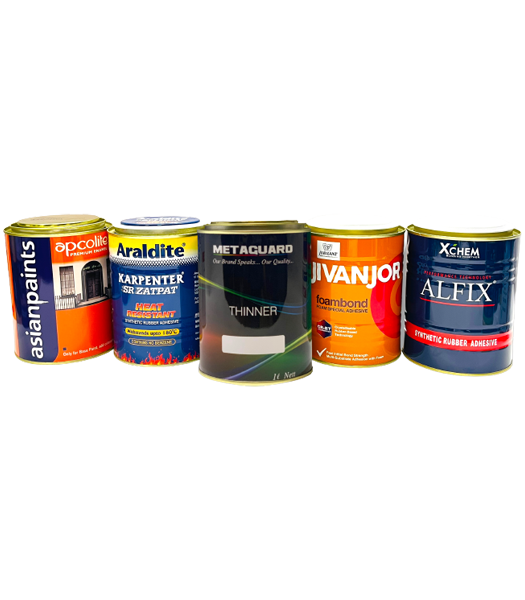 | Tin Containers Tin Containers Deccan Cans & Printers Pvt. Ltd. offers a robust range of Industrial Tin Containers, engineered to provide secure, durable, and... View product → |
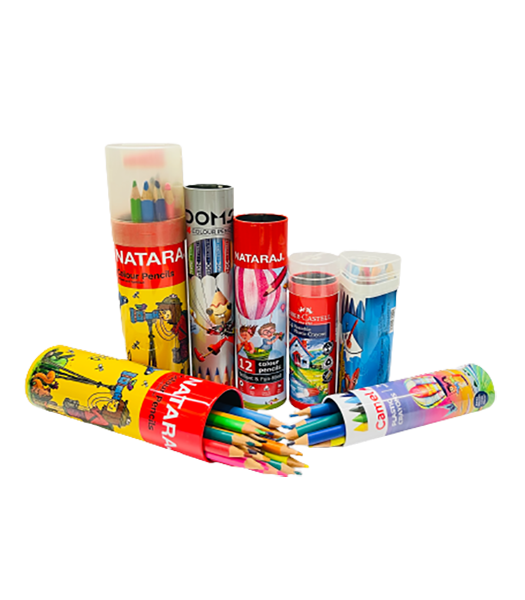 | Tin Containers Tin Containers Deccan Cans & Printers Pvt. Ltd. offers high-quality tin containers for stationery packaging, designed to provide durable, attractive,... View product → |
Validate transport, warehouse performance and the first production lot
Do not release containers into production until the shipment and storage risks have been checked. For overseas transport to Santiago, put the protection method in the purchase specification: pallet design, separators, corner protection, outer wrap, maximum stack height, and use of desiccant or VCI material where humidity creates a corrosion risk.
Add a humidity indicator for long sea routes. Tinplate and lacquer do not prevent corrosion under trapped condensation.
At receiving, inspect and record:
- Carton damage, shifted pallets, crushed corners, and container dents; compare results with the agreed dimensional rejection limits.
- Rust, staining, blistered lacquer, exposed steel, and moisture inside cartons; apply the written corrosion acceptance criterion rather than relying on appearance alone.
- Container count, lot or batch identification, wall dimensions, and pallet height against the purchase specification.
- Closure fit on a defined sample, including lid engagement, seam condition, opening or closing force, and leak performance where the contents require it.
- Warehouse stacking after 24 to 72 hours under the planned load; stop if lower tiers buckle, lids distort, or pallets lean.
Run a production trial with the actual filling line and product, not water alone. Check feeding, closure consistency, seal integrity, label adhesion, and pallet stability. Approve an engineering sample first, then a pilot lot; freeze the drawing, tolerances, sampling plan, and rejection rules before full production.
Quarantine any lot that fails, and record photographs, measurements, and the supplier’s corrective action.
Frequently asked questions
How do you choose the right metal container for a product?
Classify the product first as direct-contact food, non-hazardous industrial material or dangerous goods. Then match the container to its volume, closure, chemical compatibility and handling conditions.
What should you include in a tinplate container specification?
State the product type, fill volume, dimensions, tinplate gauge, internal coating, closure, finish, print requirements, delivery quantity and required approvals.
How should you compare metal container suppliers in Santiago?
Compare delivered cost rather than unit price alone. Include tooling, printing, freight, minimum order quantity, lead time, packaging, replacement terms and the supplier’s responsibility for defects.
What should you test before approving the first production lot?
Check dimensions, seams, closures, coating, labels, leak resistance, pallet stability and performance during handling and transport before releasing the full order.
Related products
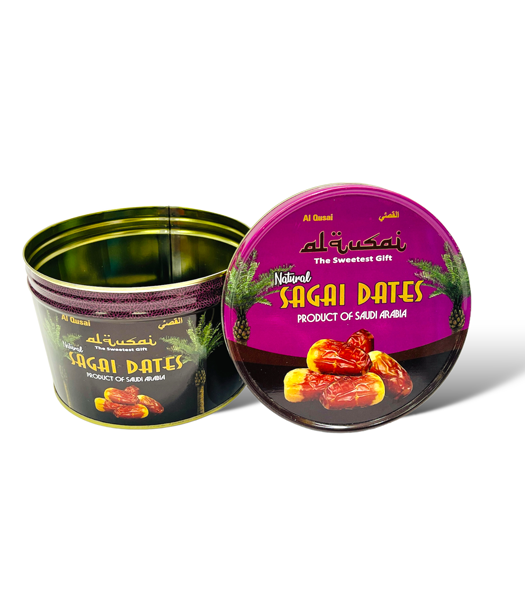 | Tin Containers Tin Containers Deccan Cans & Printers Pvt. Ltd. offers a premium range of tin containers for confectionery packaging, designed to provide an... View product → |
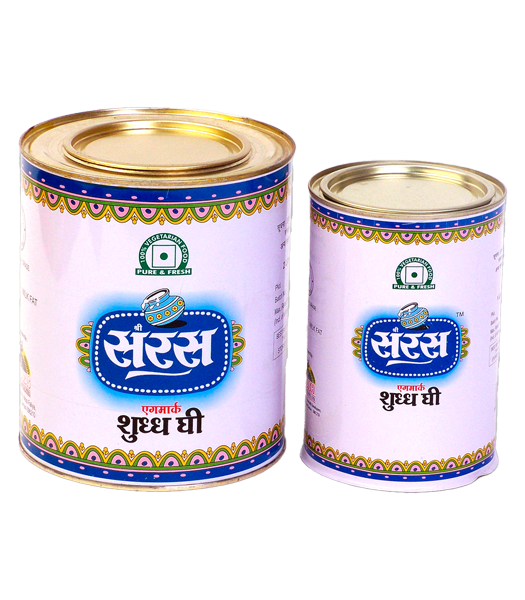 | Tin Containers RLT/EOE Tins Range Tin Containers Deccan Cans & Printers Pvt. Ltd. offers a versatile range of RLT/EOE tin containers, designed to provide durable, reliable, and... |
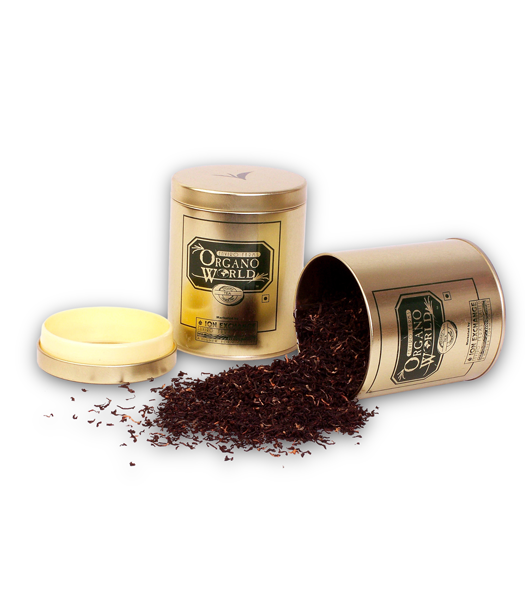 | Tin Containers Tea and Coffee Tins Range Tea & Coffee Tins Range – Product Descriptions Deccan Cans & Printers Pvt. Ltd. 1. |
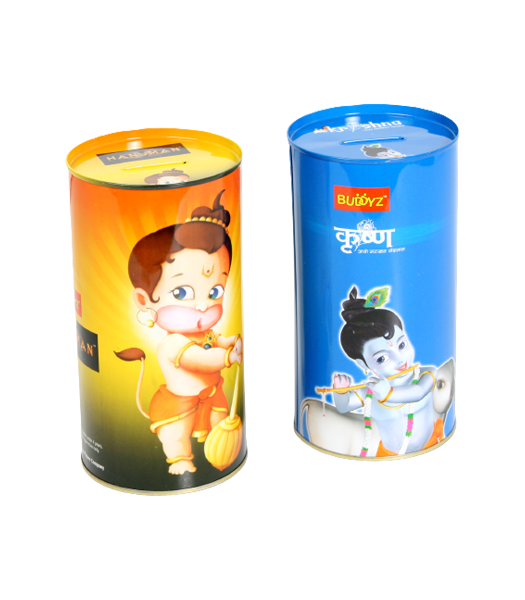 | Tin Containers Product Descriptions Deccan Cans & Printers Pvt. Ltd. 1. 80 × 150 mm Round Saving Box Product Code: 303*150RndSavingBox Application: Promotional The... View product → |